
Engagement is top priority when it comes to promoting virtual events, especially now when everything is online. Even down the road when the pandemic abates, the event landscape (like the workplace) will be forever changed—though live events will return, virtual events are here to stay.
There’s a lot of overlap when promoting either type of event (or even a hybrid event that incorporates both). The goal is always to reach and engage your audience, and entice them to buy that ticket! But there are some differences, the most important being that a swanky venue, enticing catering, cool décor, and the atmosphere of being at an event aren’t around to do the work for you. Guests are essentially opening their devices and checking in.
Create a virtual event landing page…but first, know your audience
This is essential to your virtual event marketing plan—how can you engage and excite the people who would benefit from attending if you don’t make that clear? So, before anything else, you must ask yourself what kind of images, language, and overall aesthetic speaks to your audience and what would motivate them to attend. The answers should inform everything you do to promote your event, starting with creating an on-brand virtual event landing page that captures the essence of your event and draws attendees in.
Your landing page should make it easy to buy tickets, see events, and look totally on-brand, from colors to images to video. Make sure your landing page also clearly outlines what attendees can expect from your virtual event. Will a recording be made available to them? Is there going to be a Q&A? If so, will they be on camera when they ask questions? Will there be performances? If it’s a fundraiser, what are donations going toward? Be specific!

OK, you’ve got your audience in mind and have an on-brand event page ready to roll…now what?
Get your timing right!
Start pushing people to your virtual event’s landing page too soon and they’ll lose interest; do it too late and you might not gain the traction you need to get the numbers you want. Generally, the sweet spot for promoting virtual events is 2-3 weeks prior. Of course, some audiences may need more time for outreach, and that’s when knowing your customer and industry really helps!
Promote on your organization’s website
This sounds elementary, but it’s more powerful than you think. Whether it’s a banner, image, or event calendar/ticket purchase widget like the one offered on the Eventgroove platform, you need to take advantage of your existing traffic!
Email marketing
Targeted email marketing is incredibly effective when promoting virtual events. Harness the power of your email list by sending out 2-3 emails prior to the event, each with an enticing subject line, helpful content, and a big ol’ call to action. If possible, segment your mailing lists and craft compelling messages to each audience about why they would want to attend. For example, previous attendees to your animal welfare fundraiser might get a message about the impact their contribution made, while those who haven’t yet attended would be told how important their participation is.
Encourage sharing
Ask partners, sponsors, speakers, and performers to spread the word about your event on their social media platforms. A little goes a very long way!
Invite ticket buyers to share their plans to attend your event by adding the option at checkout and in their thank-you email.
Social media
Focus on the platforms your audience is most active on! For example, TikTok may not be your best choice to encourage guests to attend your virtual B2B marketing conference, but Reddit and LinkedIn may be just right.
Create an event-specific hashtag—Make sure the hashtag you choose is also communicated to attendees, whether that’s in your social media profile, on your event landing page, or in your email marketing.
Post consistently—One post every now and then is not going to cut it. You want to strike that balance of making sure your event stays top of mind while also avoiding spamming your followers’ feeds.
Use Instagram stories—Provide teasers (with a link to your event’s page) and be sure to include their handy countdown sticker. When that story is live, anyone can sign up for event reminders!
Run a giveaway—And not just for free tickets! Roll in another enticing prize (like a gift card to DoorDash) that everyone would love to encourage more entries and thus visibility for your event.
Set up discount codes—This is another thing Eventgroove makes easy! If using discount codes, consider creating codes exclusive to each respective platform so you can better track the efficacy of your social media efforts.
That’s all well and good, but what about a real-life example of an in-person event that successfully pivoted to virtual?
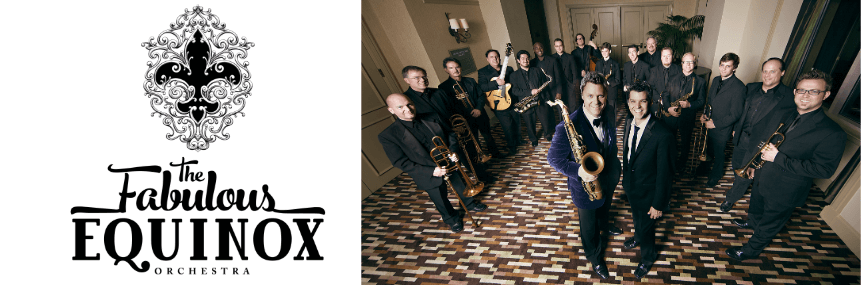
Meet the Fabulous Equinox Orchestra! Due to the coronavirus pandemic, they had to cease all performances, which cut off their ability to earn money. That is until they teamed up with Eventgroove and went on Livestream. Get the details on how they successfully transitioned, marketed, and monetized here.
About Eventgroove: We make it easy to start, promote, and run online events and fundraisers branded to your organization. Our mobile-friendly platform is integrated for video streaming, equipped with powerful analytics features, and packed with tools to make promoting virtual events through email outreach, SMS, and social sharing easy. To learn more, visit us at Eventgroove Events.




0 Comments