
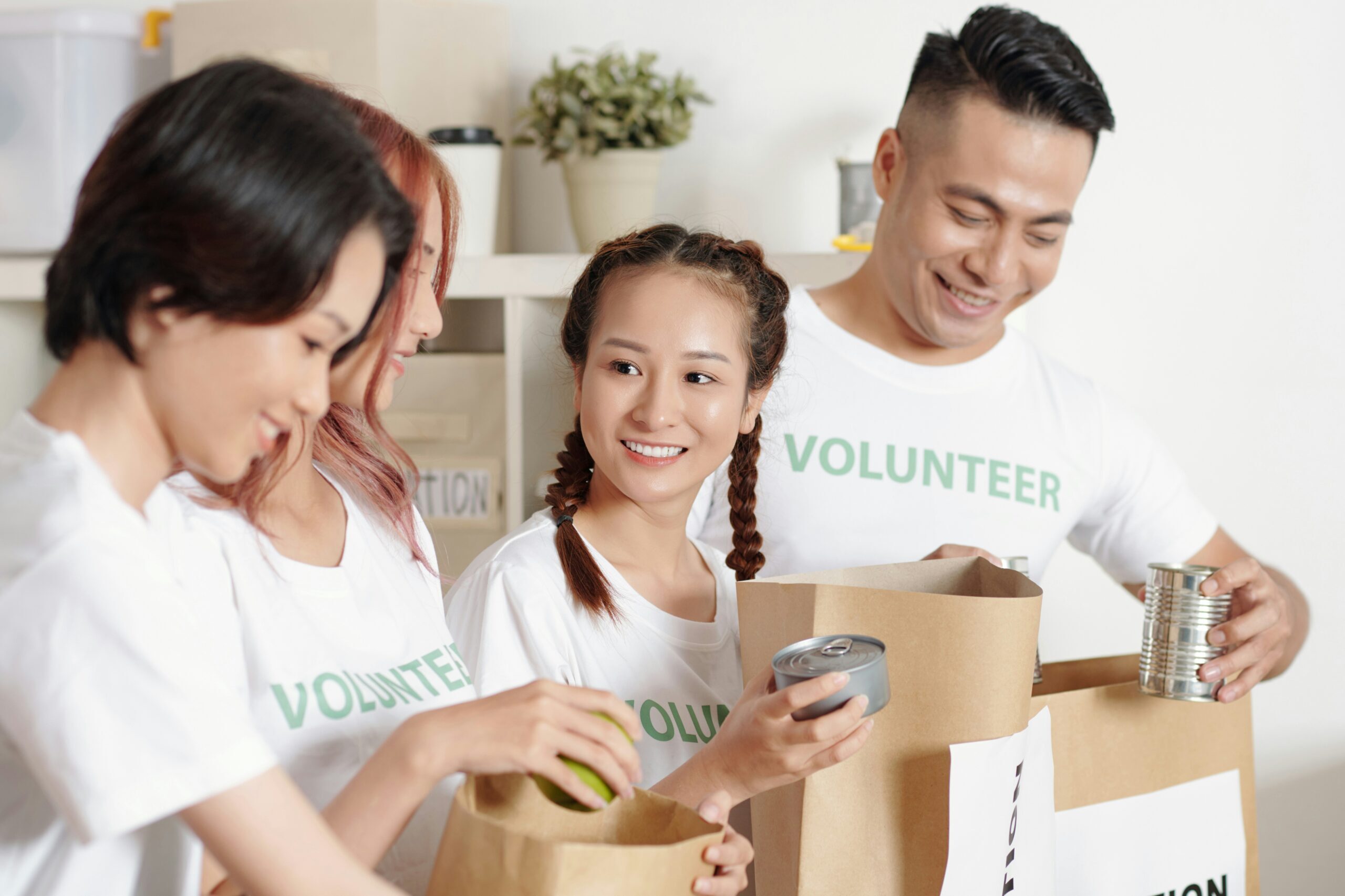
As a small, grassroots nonprofit organization, community engagement is crucial to achieving your mission and goals. By building relationships with people in your community, you’re increasing awareness of your mission. Engagement isn’t just important to those who’ve never or barely interacted with your organization. It’s essential for existing supporters, too.
“Even if they have a strong connection to the nonprofit’s mission, supporters will have a hard time connecting with nonprofits that only ever message them to ask for more donations. To build a community that cares about the success of your nonprofit specifically, you’ll need to provide donors with valuable opportunities to get involved and engage with your organization.” – The Association of Fundraising Professionals, Back to Basics: Building a Strong Community of Support for Your Nonprofit
All of that sounds like something that should be a top priority.
However, finding the time to conceive community outreach programs can be a challenge for organizations with limited resources. While we can’t help you with the time and money part, we can help with a few community outreach ideas!
Some require more time than others, and, while community outreach is key, we don’t condone raising stress levels to DEFCON 1.
Taking any step to build community relationships is a job well done!

5 Community Engagement Ideas

Offer Classes and Courses
While offering a course or clinic may not sound instantly practical or helpful, it’s actually both. Not only are you engaging potential new supporters, but you’re also providing existing donors with another way to support your mission. Foundation List’s article Nonprofit Marketing Tactics That Revolutionarily Grow Organizational Awareness illustrates the point with a great example:
“Smaller nonprofits have also had success adding new service lines or fee-for-service models to increase their budget and impact…The Wildflower Center: The Lady Bird Johnson Wildflower Center is a nonprofit organization based in Austin, Texas, that aims to conserve native plants and their landscapes. In addition to its conservation efforts, the Wildflower Center also offers a variety of educational programs, including workshops, classes, and camps. These programs are fee-based and generate income for the organization. The Wildflower Center has been able to expand its offerings and engage more people in its mission through the additional revenue generated by its educational programs.”
Gather your team and brainstorm. There may be a great offering you can create that reinforces your community roots and act as a new revenue stream!

Sell Custom Merchandise
Consider creating custom merch like mugs or hats that promote your nonprofit’s mission.
On the surface, this seems like a big upfront expense, and who really needs more stuff? However, items like t-shirts are a super way to spread awareness. You can sell it, gift it as swag, and ask volunteers to rock their cool pins or shirts at events. Make your merch represent your brand and people who support you will be proud to show off.
KCRW, NPR’s Los Angeles outpost, does a great job of this. The KCRW store has many appealing branded items that double as donor gifts during pledge drives.

Partner with Local Businesses
Teaming up with a local business that shares your organization’s values is a great way to engage your local community.
As the American Express article How to Build a Strong Brand Community with Loyal Customers points out, businesses need to build a community, too.
“Brands that have a social impact that helps the larger community are especially effective,” says Joy Panos Stauber, President of Stauber Brand Studio, a brand communication company. “If your customers buy a product, and your company donates to people in need with each sale, this is a good way of supporting a larger community while also building community around your brand.”
Additionally, you can offer to promote their business through your online presence and social media accounts in exchange for their support.

Participate in Community Events
Connect with members of your community who may not be familiar with your nonprofit by participating in local events.
Festivals, farmer’s markets, and maker fairs like those at area breweries or wineries are a great place to start. Set up a table with activities and engage passersby. In doing so, you’ll foster a sense of community, and raise awareness.
Though you’re priority while at the event isn’t to raise money, it’s always a good idea to be prepared. Bring a table sign and printed postcards with a QR code so that anyone who wishes to can scan to donate to your nonprofit’s mission.

Tell Your Organization's Story
Show people the difference your organization makes. Doing so will make it easier for your target audience to connect with your mission and inspire community involved.
Charity Digital’s How to put storytelling at the heart of fundraising is a comprehensive resource on how to create content that tells your nonprofit’s story. User-generated content is an excellent option for any organization to utilize. It saves you time and helps your org to reinforce relationships with supporters.
“User-generated content is media — including photos, videos, graphics, stories, etc. — that is contributed by individual users of a website or social media platform. User-generated content is valuable because it eases the burden of creating original content from the organization itself, while at the same opening up ample opportunities for increased engagement and participation. It inspires fans and advocates, encourages creativity, and shows that the organization values it supporters.” –Telling Your Non-Profit’s Story through User-Generated Content via Georgetown University’s Center for Social Impact in Communication.
In conclusion, your organization must engage with its community to attract new supporters. Just remember to focus on building relationships with your supporters and providing value to them. Doing so can create a strong foundation for your nonprofit to grow and continue to make a meaningful impact.
Ready to Get Started?
If you aren’t already using a fundraising platform, consider Eventgroove! We make everything easier, from fundraising to registering community outreach event attendees. Plus, when you use our online printing services, making ordering custom printed postacrds a snap.


0 Comments
Trackbacks/Pingbacks